

Before the Flags Were Planted: The Land They Never Discovered
Before the flags were planted, before the maps were drawn by foreign hands, there was a land vast, breathing, and alive with its own systems of power, trade, belief, and identity. This land, now called Nigeria, was not empty, not primitive, and certainly not waiting to be discovered. It was already a world of its own.
Across the northern plains, structured emirates governed with systems rooted in law, scholarship, and commerce. Cities like Kano and Katsina stood as intellectual and economic centers, connected through trans-Saharan trade routes that linked them to North Africa and beyond. Knowledge flowed through Arabic manuscripts, Islamic jurisprudence, and centuries of recorded thought. Authority was not accidental it was organized, inherited, and respected.
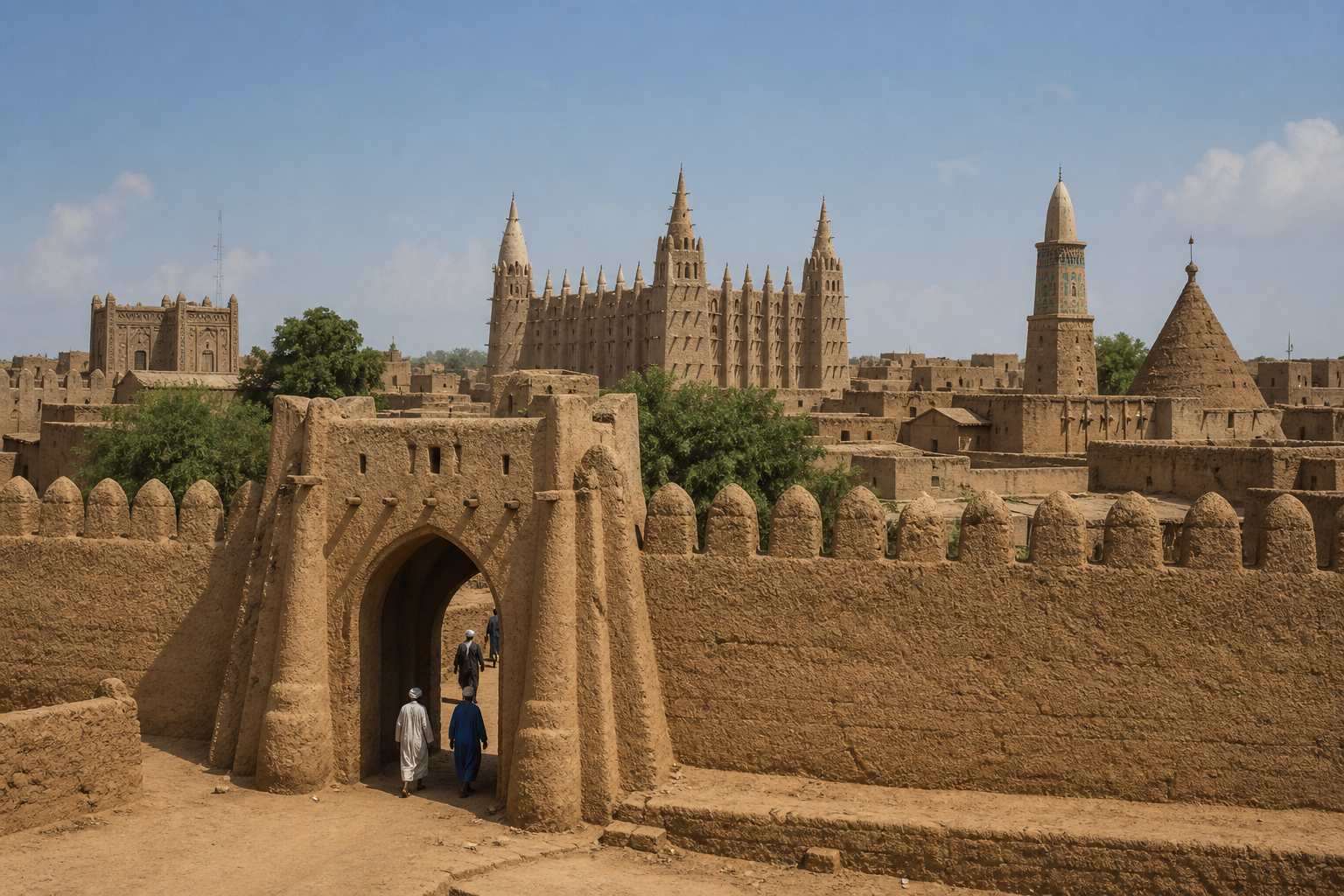
The ancient city of Kano a center of trade, scholarship, and governance long before colonial rule.
In the west, powerful kingdoms such as Oyo and Ife operated complex political systems with checks and balances that rivaled many modern institutions. Leadership was not merely about dominance but about legitimacy, tradition, and accountability to both the people and the spiritual order. Art, bronze works, and oral histories preserved identity and memory in ways that colonial narratives would later attempt to erase.
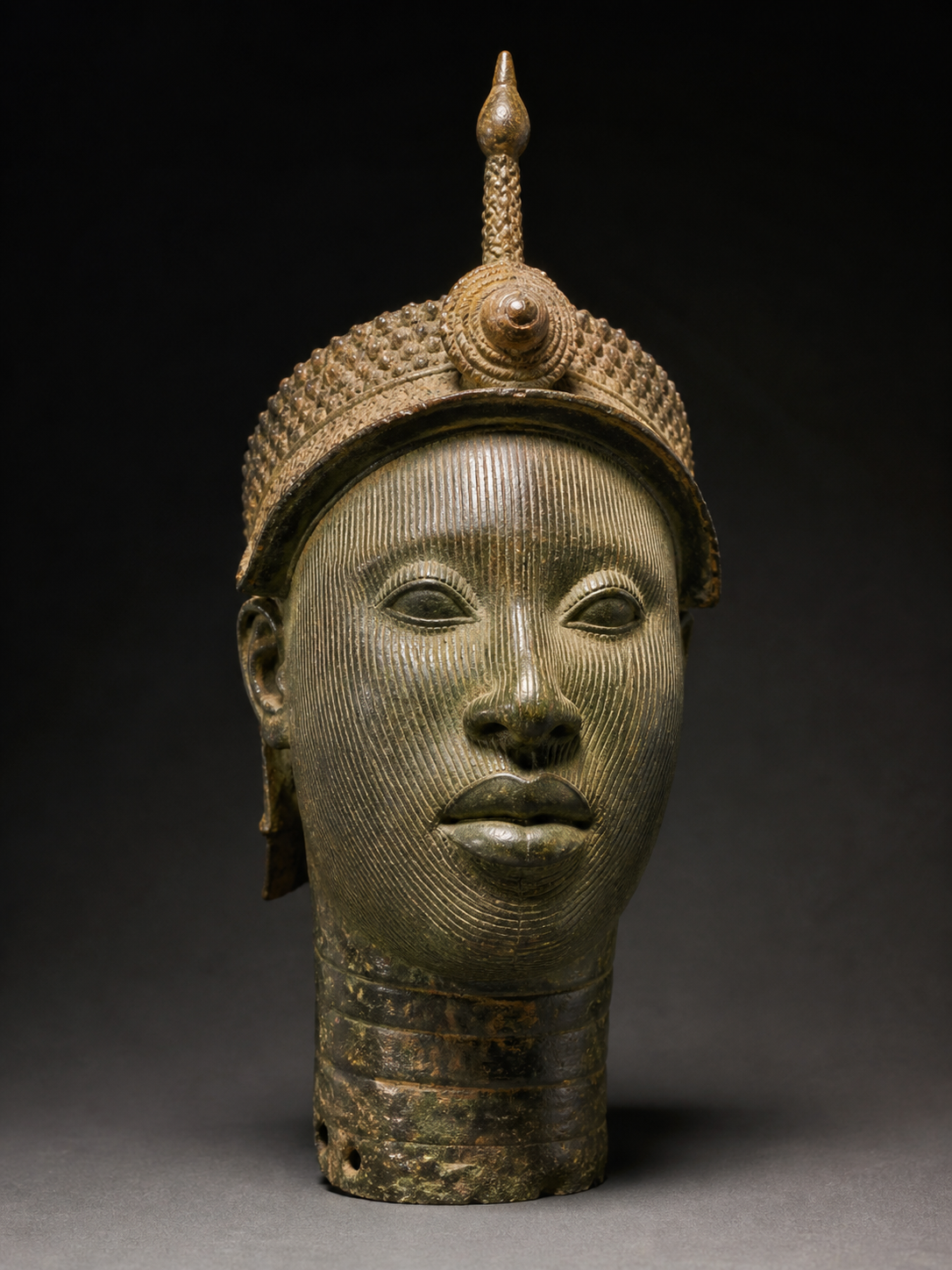
Ife bronze head proof of advanced artistry and civilization long before European contact.
In the east, decentralized societies thrived through communal governance. Among the Igbo, power did not sit in a single throne but moved within councils, assemblies, and age-grade systems. It was a different kind of strength less visible to outsiders, but deeply rooted in participation and collective decision-making.
Trade connected these regions long before colonial railways. Salt, gold, kola nuts, leather, and textiles moved across territories through networks built on trust and mutual benefit. Markets were not just economic spaces; they were cultural crossroads where language, ideas, and alliances were exchanged.
Religion and spirituality shaped daily life, but not in the rigid forms outsiders would later impose. Indigenous belief systems coexisted with Islam in the north, creating layered identities rather than conflict. These systems gave meaning to existence, guided leadership, and defined morality within each society.
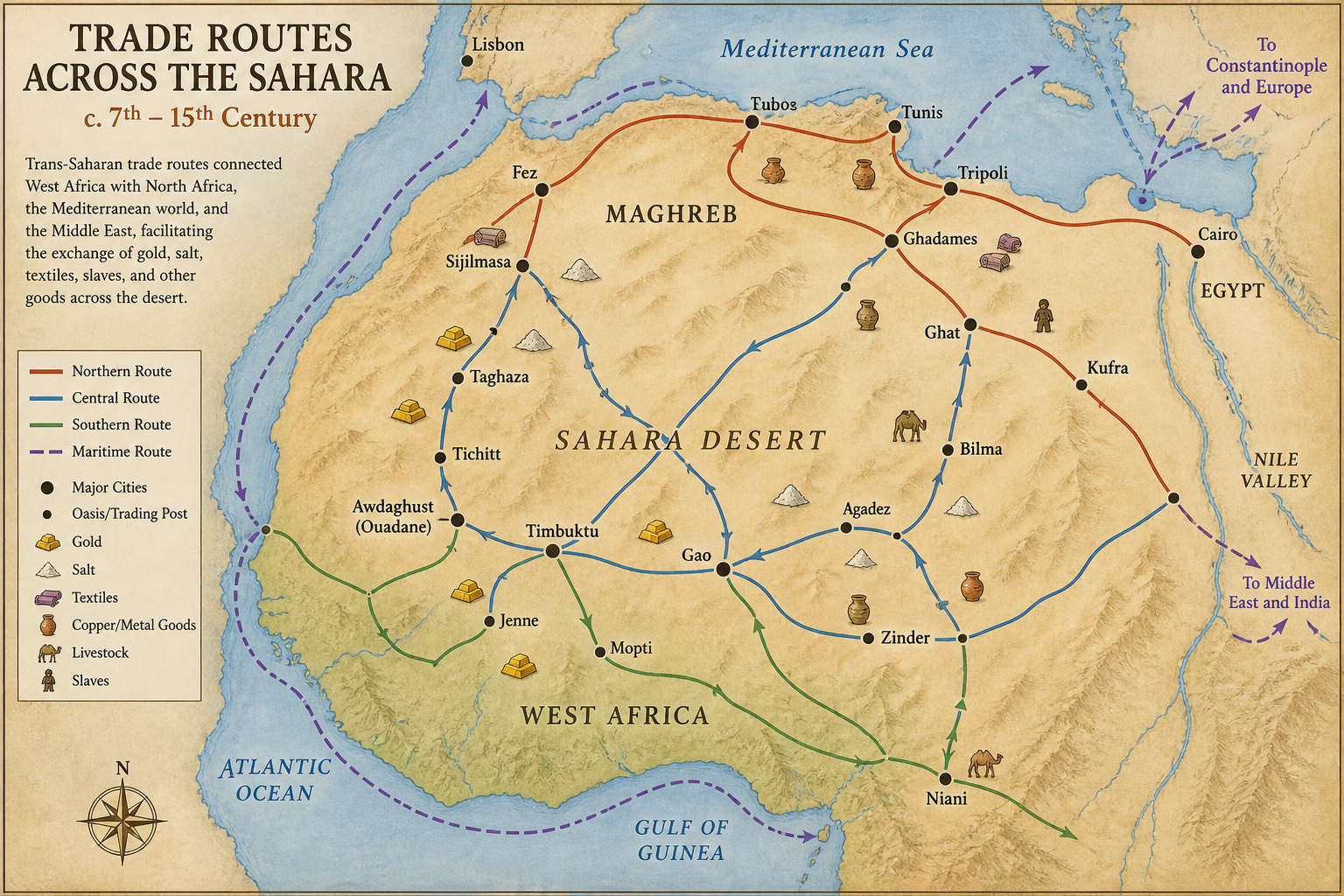
Trans-Saharan trade routes connecting West Africa to North Africa and the Mediterranean for centuries before colonialism.
What existed was balance not equality in the modern sense, but equilibrium. Each region developed at its own pace, according to its own logic. There was no singular "Nigeria," but there was coherence within diversity.
Then Came the Interruption
Foreign interest in the land was not driven by curiosity, but by opportunity. The resources, the strategic location, and the existing trade networks made the region attractive to expanding European powers. What they saw was not civilization but potential for control.
The first contacts were subtle trade agreements, missionary activities, diplomatic exchanges. But beneath these interactions lay a deeper intention: influence, then dominance.
The name "Nigeria" itself would come later, but the fracture had already begun. Lines would be drawn across cultures that had never needed them. Systems would be replaced by foreign models that did not fit the realities on the ground. Power would be redefined not as responsibility to the people, but as access to resources and authority granted by external forces.
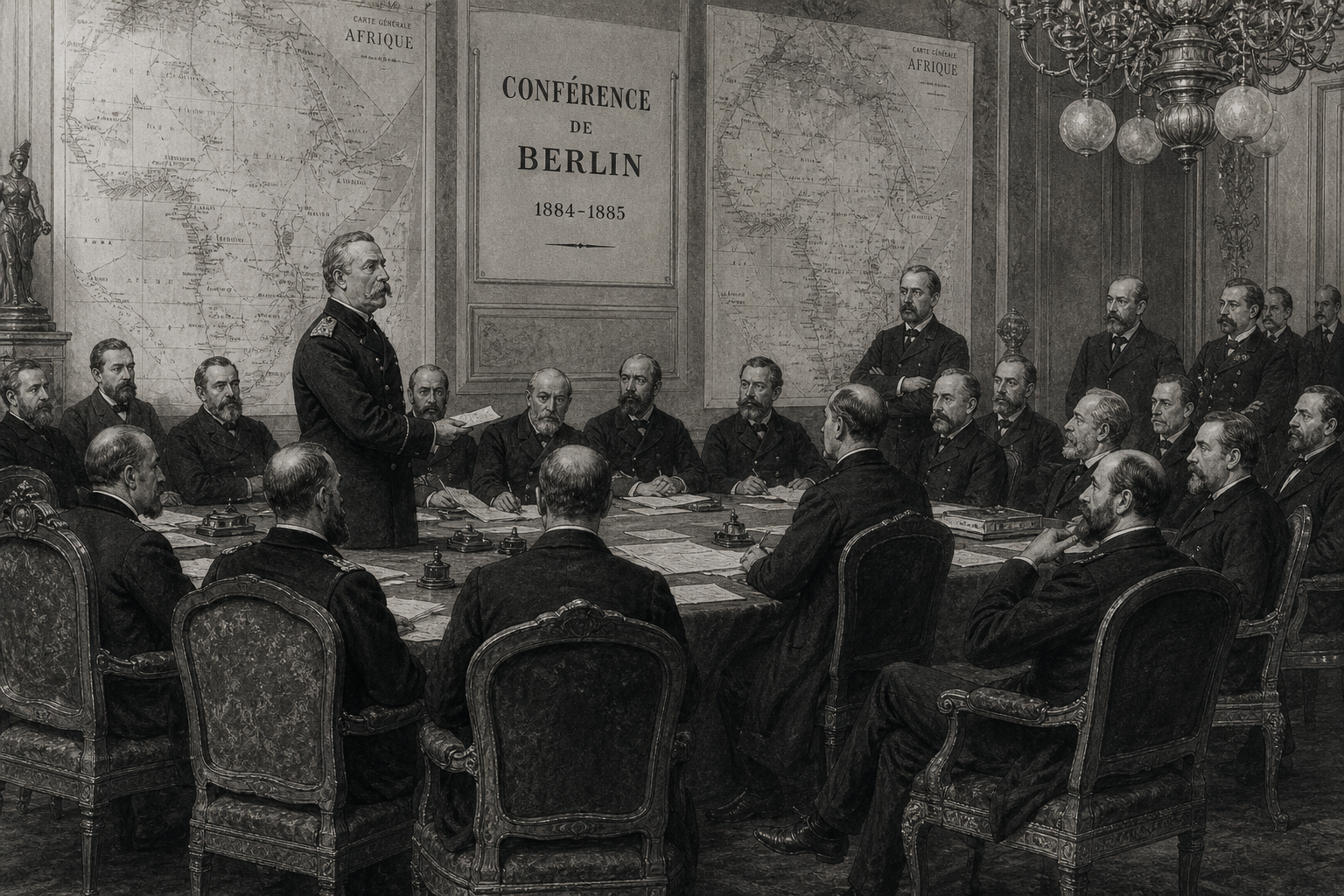
The Berlin Conference of 1884-85 where African lands were divided without a single African present.
The storm did not arrive suddenly. It gathered slowly, quietly, almost invisibly until it was too late to ignore. And when it finally broke, it did not just change the land. It changed the destiny of generations.
→ Read more about African history before colonialism
→ Comments are open below
Written by Umar Abdulazeez Muhammed (Dan HAJIYA)
SolFligh Tech Building intelligent, scalable software solutions across web, mobile, automation, and AI systems.
More from SolFligh BlogComments (0)
No comments yet. Be the first to share your thoughts!