You have met the Fortress. You have met the Open Window. Now let me take you to a place that looks like home but feels like a trap.
There is a third house on the hill. It was hit by the same storm as the others. But this house learned something different. It kept its windows open not to let light in, not to help neighbors but to see your reflection.
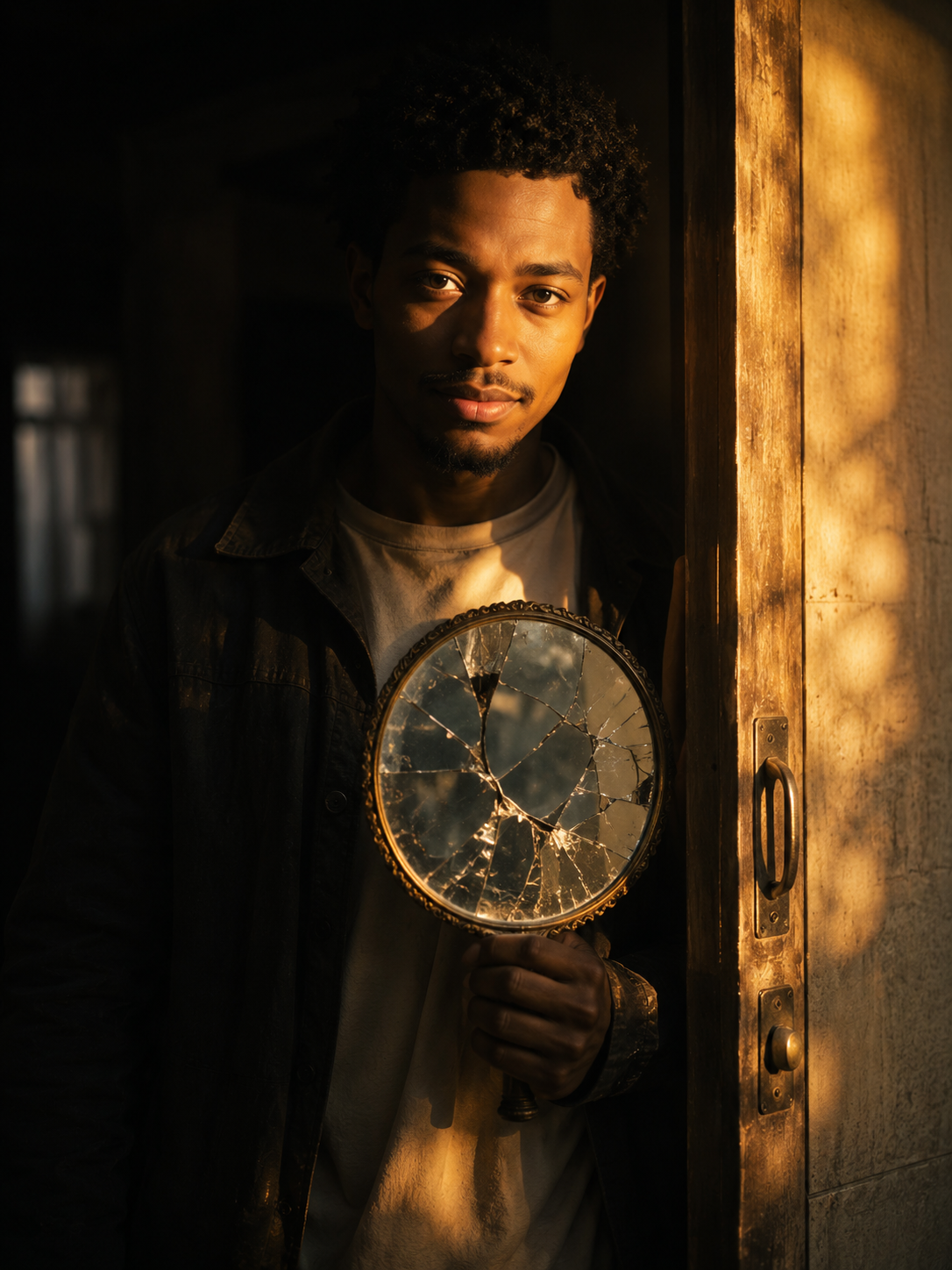
This is The House of Mirrors.
From the outside, it looks like The Open Window. Warm light spills onto the grass. The curtains flutter. A welcome mat sits by the door. You might walk inside thinking you have found safety.
But once you are inside, you realize: every wall is a mirror. Every surface reflects only you. The owner of this house watches your every emotion your joy, your pain, your fear and smiles. Because they now know exactly where to press.
This is the Dark Empath.

Meet Marcus. Marcus is 41 years old. He is charming, intelligent, and emotionally intuitive. He can walk into a room and know within minutes who is insecure, who is lonely, and who is desperate to be loved.
Marcus grew up with a mother who used his feelings against him. When he cried, she mocked him. When he succeeded, she belittled him. When he was vulnerable, she stored that vulnerability like ammunition and fired it back weeks later during arguments.
Marcus learned something terrible: Emotions are not for connecting. Emotions are for controlling.
Unlike his mother who was a classic narcissist (The Fortress) Marcus kept his empathy. He can still feel what you feel. But somewhere along the way, he made a choice. He decided:
"I will keep my superpower of perception. But I will abandon the morality of care. I will use your vulnerability to control you, just as I was controlled. And I will do it with a kind smile so you never see the blade."
Today, Marcus is a therapist. He has a thriving practice. His clients adore him. He says all the right things. He nods. He listens. He mirrors their pain back to them with perfect accuracy.
But after sessions, he laughs at his clients with his colleagues. He keeps a private journal where he records their deepest fears not to help them, but to feel superior. His long-term girlfriend has been in therapy for two years trying to understand why she feels so drained. She cannot pinpoint a single cruel thing Marcus has said. He has never yelled. He has never hit her. He just... watches. And occasionally, he quietly reminds her of her failures at the exact moment she feels strong.
Marcus is not a Fortress. He feels too much to be one. He is a Dark Empath.
And he is far more dangerous than any narcissist.
Here is what most people do not understand about the Dark Empath:
A classic narcissist (The Fortress) steps on your foot and blames you for being in the way. A Dark Empath steps on your foot, says "I am so sorry you are suffering," and then steps on your other foot while asking for a hug.
The Fortress is easy to spot. They are loud, arrogant, and obvious. The Dark Empath is almost impossible to spot because they wear the mask of The Open Window.
They are charming and intuitive but you feel drained after every interaction, even though they "did nothing wrong."
They remember your vulnerabilities perfectly and bring them up at strategic moments disguised as "concern."
They never apologize sincerely but they say "I'm sorry you feel that way" with such warmth that you doubt yourself.
They have no long-term close friends only admirers, clients, and confused ex-partners.
You cannot explain why you feel unsafe but your body knows. You feel anxious before seeing them.
Healing from a Dark Empath is different from healing from a classic narcissist. The narcissist leaves you angry. The Dark Empath leaves you confused because they were so kind sometimes.
Healing Exercise #1: Trust Your Body, Not Your Memory
Your mind will tell you: "They were nice to me. Maybe I imagined it." Your body never lies. Close your eyes. Recall a recent interaction with them. Where do you feel tension? Neck? Stomach? Chest? That tension is the truth. Believe it.
Healing Exercise #2: The Kindness Log
For two weeks, write down every time they say something that feels "off" too many compliments, a joke at your expense, a "concern" that feels like an insult. Do not confront them. Just observe. The pattern will reveal itself.
Healing Exercise #3: The Three-Month No-Contact Rule
If you suspect you are in a relationship with a Dark Empath, give yourself three months of no contact. After 90 days, ask yourself: "Do I miss them, or do I miss the person I thought they were?" The answer will save your life.
This is the hardest section in the entire book. If you are a Dark Empath, you are intelligent enough to recognize yourself here and clever enough to dismiss it. Do not dismiss it.
Signs you might be a Dark Empath: You can read people instantly. You use that information to get what you want. You rarely feel guilty. You have never stayed in a relationship once the person had "nothing left to give." People call you "intense" or "magnetic." You are secretly bored by most people.
Healing Exercise #1: The One Week of Honesty
For seven days, say exactly what you feel no manipulation, no charm, no strategic kindness. If you are bored, say "I am bored." If you do not care, say "I do not care." Watch what happens. The people who stay? Those are the ones worth keeping. The ones who leave? You were manipulating them anyway.
Healing Exercise #2: The Empathy Test
Next time someone cries in front of you, do NOT speak. Do NOT try to fix it. Do NOT use the information. Just sit in silence for three minutes and ask yourself: "Am I feeling anything? Or am I just cataloging their pain for later?" Your answer is your diagnosis.
Healing Exercise #3: Apologize to One Person
Think of one person you hurt without physical cruelty just with your quiet, precise knowledge of their weaknesses. Call them. Say: "I hurt you. I knew what I was doing. I am sorry." Do not explain. Do not defend. Just apologize. It will feel like vomiting. That is healing.
1. Have I ever met someone who made me feel confused kind but somehow unsafe? What did my body feel around them?
2. Have I ever used someone's vulnerability against them, even in a small way? What was I afraid of losing?
3. If I looked into a mirror right now, would I see The Open Window, The Fortress, or The House of Mirrors?
Honesty does not require perfection. It only requires stopping the lie.
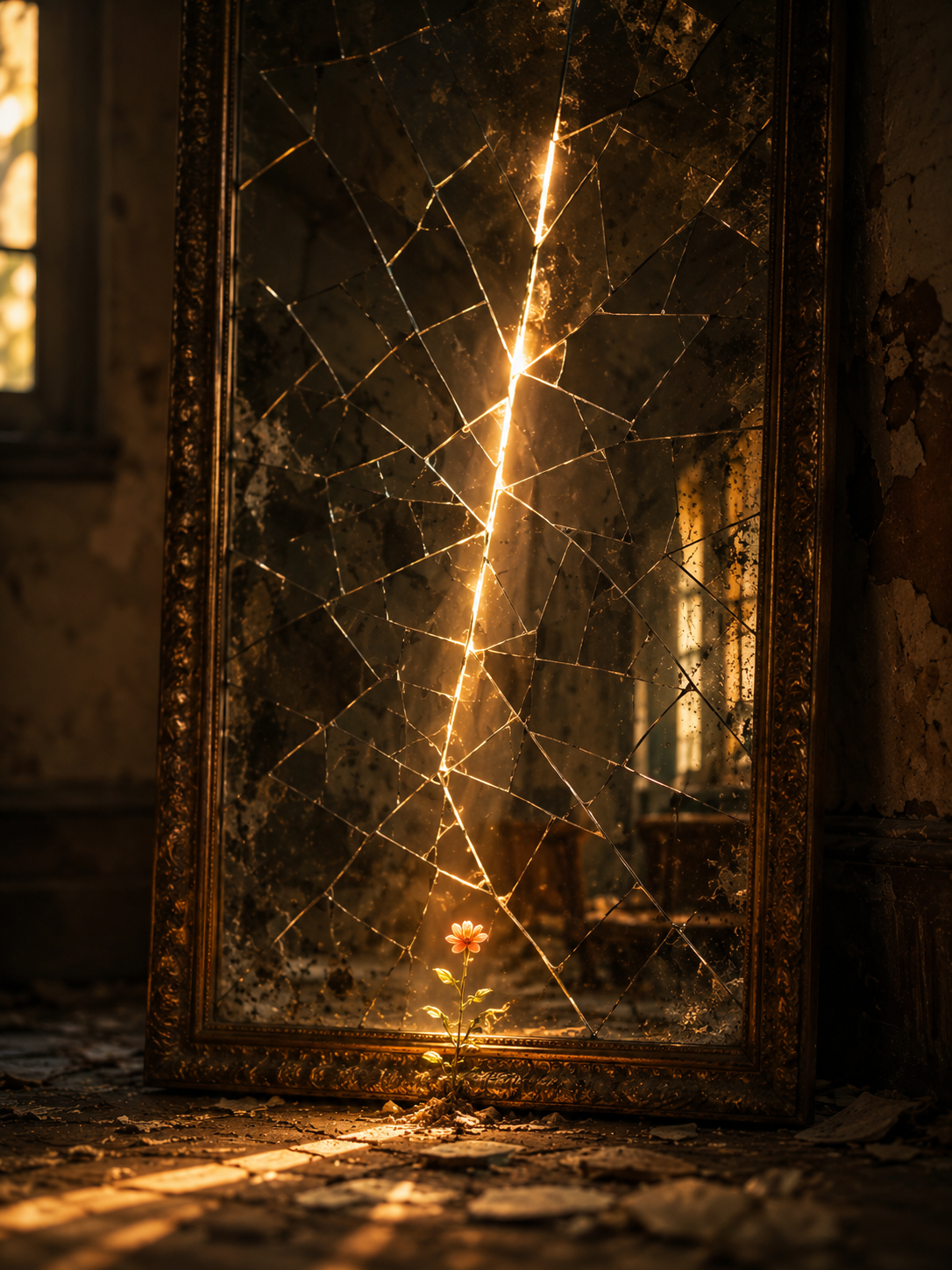
Summary Lesson: The Dark Empath is not born evil. They are born from the same storm but they made a third choice: keep the empathy, abandon the morality. They are the most dangerous because they look like the healer. If you are healing from one, trust your body. If you recognize yourself in one, there is still time to choose differently. The mirror can crack. Light can still get in.