A candle can only burn so long before the wax is gone. A fire can only consume so much wood before it becomes ash. And an empath no matter how deep their well of compassion can only give so much before there is nothing left.
This is empathic burnout. It is not sadness. It is not depression. It is the complete exhaustion of the emotional battery.
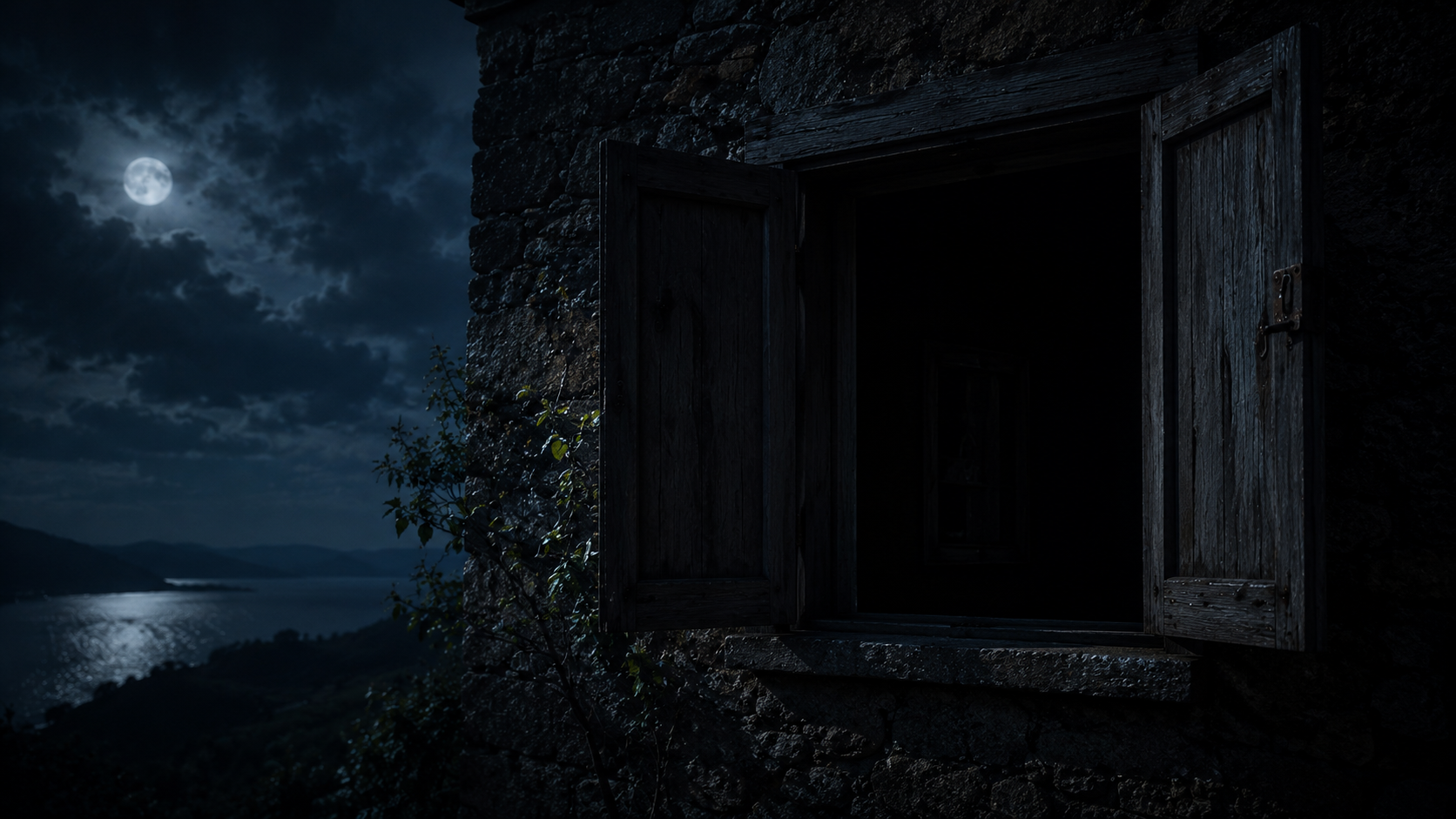
Imagine The Open Window. For years, it let in every storm. Every crying neighbor. Every desperate visitor. It never said no. It never closed the shutters. And one day, the fire inside went out.
The window is still open. The light is just... gone.
The empath does not stop caring because they are cold. They stop caring because their body forced them to. The nervous system shuts down to protect itself. What looks like numbness is actually a survival circuit breaker.
Remember Kemi from Chapter 1? The nurse who cried with dying children? The woman who gave everything to everyone?
Kemi did not break dramatically. There was no single event. It was death by a thousand paper cuts.
Month 1: She started sleeping less. Not because she was busy because her mind would not stop replaying the faces of her patients. She stopped eating lunch. She said she "wasn't hungry."
Month 3: She stopped crying. This terrified her. Kemi had always cried easily. Now a parent could sob in front of her and she felt... nothing. Just a flat, gray numbness. She told herself she was "getting stronger." She was not. She was dying inside.
Month 6: She stopped calling her friends back. She stopped returning her mother's texts. She sat in her apartment after work, staring at the wall, too exhausted to shower, too numb to care. Her coworkers noticed. "You used to be so warm," they said. "What happened?"
Month 9: Kemi made a mistake at work. A small one a medication dosage she misread because she had not slept in three days. No one died. But Kemi went home and lay on her bathroom floor. Not crying. Just lying there. For hours.
She said to herself: "I don't feel anything anymore. Not for them. Not for me. What's wrong with me?"
Nothing was wrong with her. She had simply burned out. Her fire had consumed all its fuel. And no one had ever told her that empathy beautiful, powerful empathy is a finite resource.
Empathic burnout also called compassion fatigue is a documented psychological state. It happens when:
The symptoms of empathic burnout look like depression but they are not the same:
Burnout is not a moral failure. It is a physiological warning light. Your body is screaming: "I cannot do this anymore. Something has to change."
Healing Exercise #1: The Radical Pause
Take seven days off from giving. No listening to friends' problems. No volunteering. No staying late. No fixing anyone. For seven days, your only job is to eat, sleep, walk, and exist. If someone asks for help, say: "I love you, but I cannot right now. I am refilling." The world will not end. People will survive without you. This is not selfish. This is triage.
Healing Exercise #2: The One-Hour Rule
Every day, you get one hour of complete solitude. No phone. No music. No podcasts. Just you and silence. During that hour, ask yourself: "What do I feel?" If the answer is "nothing," sit with the nothing. Do not fill it. The nothing is not emptiness. It is your nervous system finally resting. Let it rest.
Healing Exercise #3: The Joy List
Write down five things that used to bring you joy before you burned out. Not things that help others. Things that are just for you. A bath. A walk in the woods. Painting. Dancing alone. Baking bread. Now do one of them this week even if you feel nothing. Even if you have to fake it. The feeling comes back after the action, not before.
Healing Exercise #4: The Permission Slip
Write on a piece of paper: "I give myself permission to be useless for as long as I need to heal." Tape it to your mirror. Read it every morning. Your worth is not measured in how much you give. You are worthy when you are empty. You are worthy when you are resting. You are worthy when you say no.
What they need from you right now:
Do not ask them for emotional labor. Do not dump your problems on them. Do not say "you used to be so kind" that is guilt, not help.
What you can do: Bring them food. Sit in silence with them. Say: "You do not have to be anything for me right now. I am here. I am not leaving. And I am not asking for anything." That is love. That is healing.
Do not take it personally when they have nothing to give. They are not rejecting you. They are surviving. The fire will come back. But only if you stop asking it to warm you while it is still ash.
Some narcissists do not just accept empathic burnout. They prefer it. An exhausted empath is easier to control. They stop fighting back. They stop having needs. They become the perfect empty vessel.
If you recognized yourself in that sentence, you have a choice to make.
Healing Exercise #1: The Honest Mirror
Ask yourself: "Did I ever feel relief when they finally stopped asking for things? When they stopped having needs? When they became numb?" If yes, you are not ready to be in any relationship. You are not looking for a partner. You are looking for a battery. Step away from all romantic relationships for six months. Get therapy. Do not come back until you can tolerate someone having needs without resenting them.
Healing Exercise #2: The Apology You Mean
If you have drained someone to burnout, send them one message: "I took from you until you had nothing left. That was wrong. I am sorry. I will not contact you again." Then block them. Not to punish them. To protect them from you. This is the first unselfish thing you may have ever done.
1. Have I ever felt numb or empty after giving too much? When was the last time I genuinely rested without guilt?
2. Who or what has been draining my fire without refilling it?
3. If I stopped giving for seven days, just seven days what would I be afraid of losing? Their love? My identity? My sense of worth?
4. What is one small thing I can do today that is only for me? No justification. No "but this helps others too." Just me.
You are not a machine. You are not an infinite battery. You are a living, breathing, finite human being. That is not a flaw. That is the truth that will save your life.
Summary Lesson: Empathic burnout is not a weakness. It is a warning. The Open Window can stay open but it needs to close sometimes. The fire can burn again but only if you stop throwing every piece of wood into someone else's hearth. You are allowed to be empty. You are allowed to rest. You are allowed to say "I have nothing left" without apologizing. The right people will wait. The wrong ones will leave. Let them.